
Dr. Christopher Ferraro to Deliver Keynote at Proceq Day Jacksonville

Dr. Christopher Ferraro will serve as the keynote speaker at Proceq Day in Jacksonville on Thursday, April 9. As a professor at the University of Florida, Dr. Ferraro is widely recognized for his work in civil engineering, with a focus on concrete materials, infrastructure durability, and advanced testing methods. His research bridges academic insight with real-world application, helping to advance the future of infrastructure systems.
During the event, Dr. Ferraro will share insights into emerging technologies in non-destructive testing, including ground-penetrating radar (GPR) and modern concrete evaluation techniques. His keynote will set the stage for an engaging evening focused on innovation, collaboration, and practical solutions for today’s infrastructure challenges.
The event will be held at the Hyatt Regency Riverfront in Jacksonville, bringing together professionals from across the industry for discussion, networking, and knowledge sharing.
UF ACI Student Chapter Advances to Spring 2026 Convention with Industry Support


The University of Florida’s student chapter of the American Concrete Institute (ACI) is grateful for the generous support of Terracon, Slider Engineering Group, and The Florida Concrete & Products Association, whose sponsorship is making this year’s activities possible. Their contributions will help send members of the chapter’s student competition design team to the ACI Spring Convention in Rosemont, Illinois, taking place March 29 to April 1, 2026.
The chapter’s design team has been working diligently to design, construct, test, and optimize a concrete beam reinforced with fiber-reinforced polymer (FRP) reinforcing bars. The team will compete against other student chapters on the first day of the convention. Over the past 15 years, the UF ACI design team has participated in numerous national student competitions, including the pervious concrete cylinder (Cincinnati, 2011; Philadelphia, 2024), fiber-reinforced concrete bowling ball (Orlando, 2020; Toronto, 2025), ultra-high-performance concrete (UHPC) egg-protection device (Baltimore, 2025), mortar workability (New Orleans, 2025), and the FRP concrete beam competition (Cincinnati, 2019).
The biannual ACI convention provides an invaluable opportunity for chapter members to network with students and professionals from around the world, gain insight into the latest developments in the concrete industry through technical sessions and presentations, and participate in ACI committees that contribute to the development of industry codes and guidance documents.
The chapter will attend the Rosemont convention alongside its faculty advisor, Dr. Christopher Ferraro, PhD, PE, a Fellow of the American Concrete Institute and current vice chair of the ACI Code 323 Low-Carbon Code Committee. The chapter sincerely appreciates Dr. Ferraro’s continued support in fostering student engagement and encouraging ongoing involvement in ACI beyond graduation.
UF Student Robbie Posada Recognized by the American Concrete Institute Through Prestigious Kennerly Education Initiative
The Engineering School of Sustainable Infrastructure & Environment (ESSIE) is proud to celebrate civil engineering student Robbie Posada for his recent recognition through the Kennerly Education Initiative (KEI). The honor was announced at the American Concrete Institute (ACI) 2025 Fall Convention in Baltimore.

Supported through sponsorship by SKA Consulting Engineers, Inc., the Kennerly Education Initiative supports emerging leaders in concrete materials research and education. The initiative was established to honor the legacy of Bob and Sue Kennerly, while empowering students with impactful professional development opportunities.
Robbie was nominated by Dr. Christopher Ferraro, Ph.D., P.E., Associate Professor in the UF Department of Civil & Coastal Engineering. Dr. Ferraro leads research efforts in concrete durability, sustainability, and materials technology, areas in which Robbie actively contributes through his involvement in the ESSIE Materials Lab and ACI student activities.
Through the initiative, Robbie received sponsorship to attend this year’s ACI Fall Convention in Baltimore to network with industry experts, and continue engaging in high-level professional development experiences that support his academic and career goals. He joins Thomas Carnes of Virginia Tech as one of the two ACI student recipients selected this year.
About the Kennerly Education Initiative:
The KEI program recognizes deserving engineering students and their faculty mentors who demonstrate excellence in concrete materials education, mentorship, and impact on the broader engineering community. More on SKA’s announcement is available here: https://www.linkedin.com/posts/ska-consulting-engineers-inc-_kei-professionaldevelopment-mentorship-ugcPost-7389683220755148800-quh8?utm_source=share&utm_medium=member_desktop
ESSIE proudly congratulates Robbie on this achievement and looks forward to supporting his continued success!
In Memoriam: Celebrating the Life and Legacy of a Cherished Member of our Campus Community

The University of Florida honors the remarkable life and enduring influence of Professor Emeritus Sidney Diamond, who passed away in West Lafayette on October 25, 2025, at the age of 95.
Born on November 10, 1929, in New York City, Sidney was the son of Julius and Ethel Diamond and a proud graduate of The Bronx High School of Science. His academic path reflected a lifelong dedication to learning: a bachelor’s degree from the New York State College of Forestry at Syracuse University (1950), a master’s from Duke University (1951), and ultimately a Ph.D. from Purdue University (1963).
Early in his career, Sidney served as a Highway Research Chemist for the federal agency that would later become the Federal Highway Administration. In 1965, he joined the Purdue University School of Civil Engineering, where he quickly distinguished himself as a dedicated educator and world-renowned researcher. He was promoted to full professor in 1968 and honored with emeritus status in 2002.
Professor Diamond was internationally recognized as a leading expert in cement and concrete chemistry. Over several decades, he published more than 200 influential research papers, contributed to major technical journals as an editorial board member, and lectured extensively across the United States, Europe, Japan, and beyond. His work left an indelible mark on civil engineering science and continues to shape research and industry practice today.
A Fellow of both the American Ceramic Society and the American Concrete Institute, Sidney’s professional accolades also included listings in Who’s Who in America, Who’s Who in Engineering, and similar recognitions. His respected insights were often sought in consulting roles with Fortune 500 companies and as an expert witness in complex engineering cases, a testament to his authority in the field.
Beyond his academic and professional achievements, Sidney was deeply committed to personal growth and curiosity. He enjoyed music, exercise, and spirited card games with those he loved. He was also an active member of the Sons of Abraham synagogue in Lafayette, contributing to the community that had become his longtime home.
Sidney shared 70 years of marriage with his wife, Harriet, with whom he built a life grounded in support, intellectual curiosity, and devotion to family. He is survived by daughters Florence Wibel (Keith) of Scottsdale, AZ, and Julie Karni (Ben) of San Jose, CA and Western Springs, IL; grandchildren Etan Karni, Yael Karni (Sam), Sean Wibel, and David Wibel; and great-grandchildren Joshua Rienstra and Nina Rienstra — all of whom brought him great joy.
A funeral service took place Tuesday, October 28, at 1:00 p.m. at Soller-Baker Lafayette Chapel, with visitation beginning one hour prior. Interment will follow at Sons of Abraham Cemetery. Professor Sidney Diamond’s legacy, as a pioneering researcher, dedicated teacher, and compassionate member of our community, will continue to inspire generations of engineers and scholars. We honor his contributions, celebrate his extraordinary life, and extend our heartfelt condolences to his family and loved ones.
UF Researchers Spotlight Waste-to-Value Innovation at ACI Convention
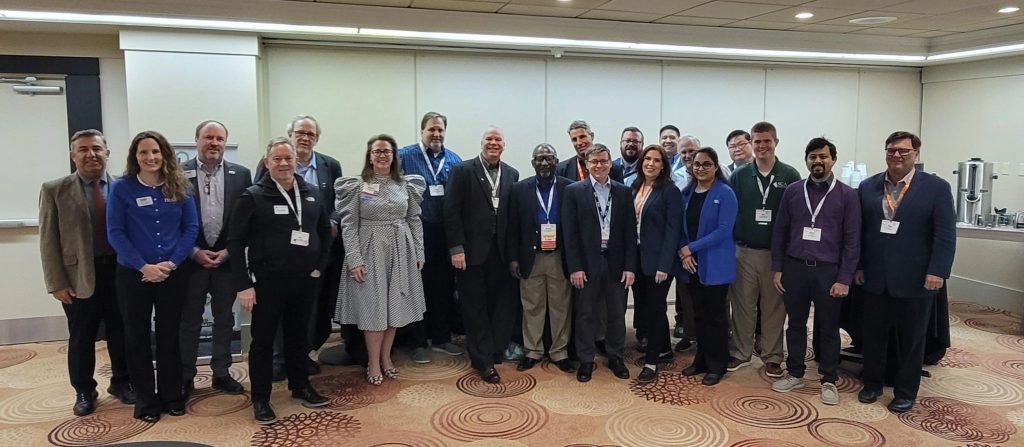
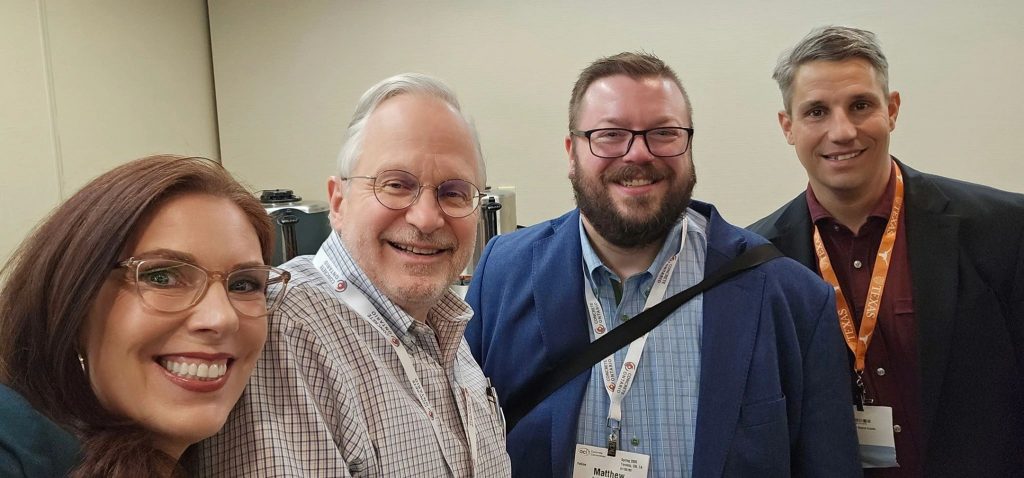
Earlier this week at the American Concrete Institute (ACI) Convention, Dr. Christopher Ferraro from the University of Florida presented innovative findings on behalf of his research team, highlighting work from the FY 2023–2024 AAC project. Despite competing with other high-profile sessions, including one honoring Dr. Hooton of the University of Toronto. Dr. Ferraro focused on introducing the team’s work on using municipal solid waste incineration (MSWI) bottom ash as a replacement for aluminum powder in producing autoclaved aerated concrete (AAC). The talk sparked several productive conversations afterward, with genuine interest expressed by representatives from two universities and one industry partner. A recording of the presentation will soon be made available by ACI. More details about the session can be found here.
The UF research team with Dr. Ferraro, Dr. Ashish Patel, and Dr. Kyle Riding is developing a sustainable alternative for AAC production by tapping into an abundant local resource: bottom ash from MSWI. This ash contains aluminum byproducts that can replace the traditionally imported aluminum powder used in AAC manufacturing. Not only does this approach lower costs and reduce reliance on international supply chains, but it also helps tackle the environmental challenge of disposing over a million tons of ash produced annually across Florida’s 12 incineration facilities. AAC is gaining global attention as a lightweight, energy-efficient, and eco-friendly construction material, and demand continues to rise. With Florida currently home to the only U.S. facility using this innovative process, the team’s work puts both the state and the university at the forefront of sustainable building solutions.


UF Engineering Develops Breakthrough Tech to Inspect Infrastructure Safely


Timothy K. Mueller, in collaboration with Dr. Christopher Ferraro and colleagues at the University of Florida, recently published research exploring the use of backscatter radiography for railroad crosstie inspection. This non-destructive testing technique utilizes x-ray backscatter to detect internal flaws that are not visible through traditional visual inspection methods.
The study focuses on a key limitation in current inspection practices, evaluating the portion of the crosstie located beneath the tie plate. This region is particularly vulnerable to cracking, deterioration, and water intrusion, yet is often obstructed and difficult to assess using existing technologies. Through controlled laboratory testing, the research investigates the feasibility of scanning through tie plate materials to improve flaw detection across wood, concrete, and composite crossties.
Findings from the study demonstrate that backscatter radiography shows strong potential for enhancing infrastructure evaluation, particularly in challenging inspection zones. While some limitations remain in image resolution and signal attenuation, this work represents an important step toward faster, more reliable, and more comprehensive rail system assessments.
Ensuring Structural Safety in South Florida through Age-Based Inspections
A new study led by Dr. Jennifer Bridge, with contributions from Dr. Thomas Sputo, Ms. Suzanna Barna, EI, and Dr. Timothy Mueller, explores the effectiveness of age-based building inspection programs in South Florida. The authors examine current 40-year inspection requirements and highlight potential gaps in program administration and enforcement.
By reviewing buildings across Miami-Dade and Broward counties, the team identifies environmental factors—such as coastal weather and salt exposure—that demand more frequent inspections and clearer, standardized guidelines. Their recommendations call for better documentation, stricter oversight, and targeted evaluations of high-risk structures.
This research underscores the importance of collaboration among engineers, building owners, and local authorities to maintain safety in an aging building stock. You can access the complete findings through the ASCE Library.

Renowned Engineer Ken Hover Reflects on a Distinguished Career


Cornell University’s Professor Emeritus Kenneth C. Hover, Ph.D., P.E., recently shared insights from his illustrious career in design, construction, research, and education. In his talk, “Things I Learned while Enjoying a Career in Design, Construction, Research, and Education,” Hover emphasized the importance of nurturing ideas, collaboration, ethical responsibility, and resilience in the face of challenges.
A structural engineering expert, Hover’s journey began in contracting, military service, and firm leadership before academia. With Exxon Foundation’s support, he pursued a Ph.D. at Cornell, later excelling in concrete design, materials, and management research. Recognized as one of the most influential figures in the U.S. concrete industry, he has led groundbreaking investigations, including the Champlain Towers South collapse inquiry.
A distinguished member of ACI and ASCE, Hover’s legacy continues to shape engineering education and industry standards, inspiring future generations of engineers.
Robbie Posada Featured Student for Hinkley Center Solid and Hazardous Waste
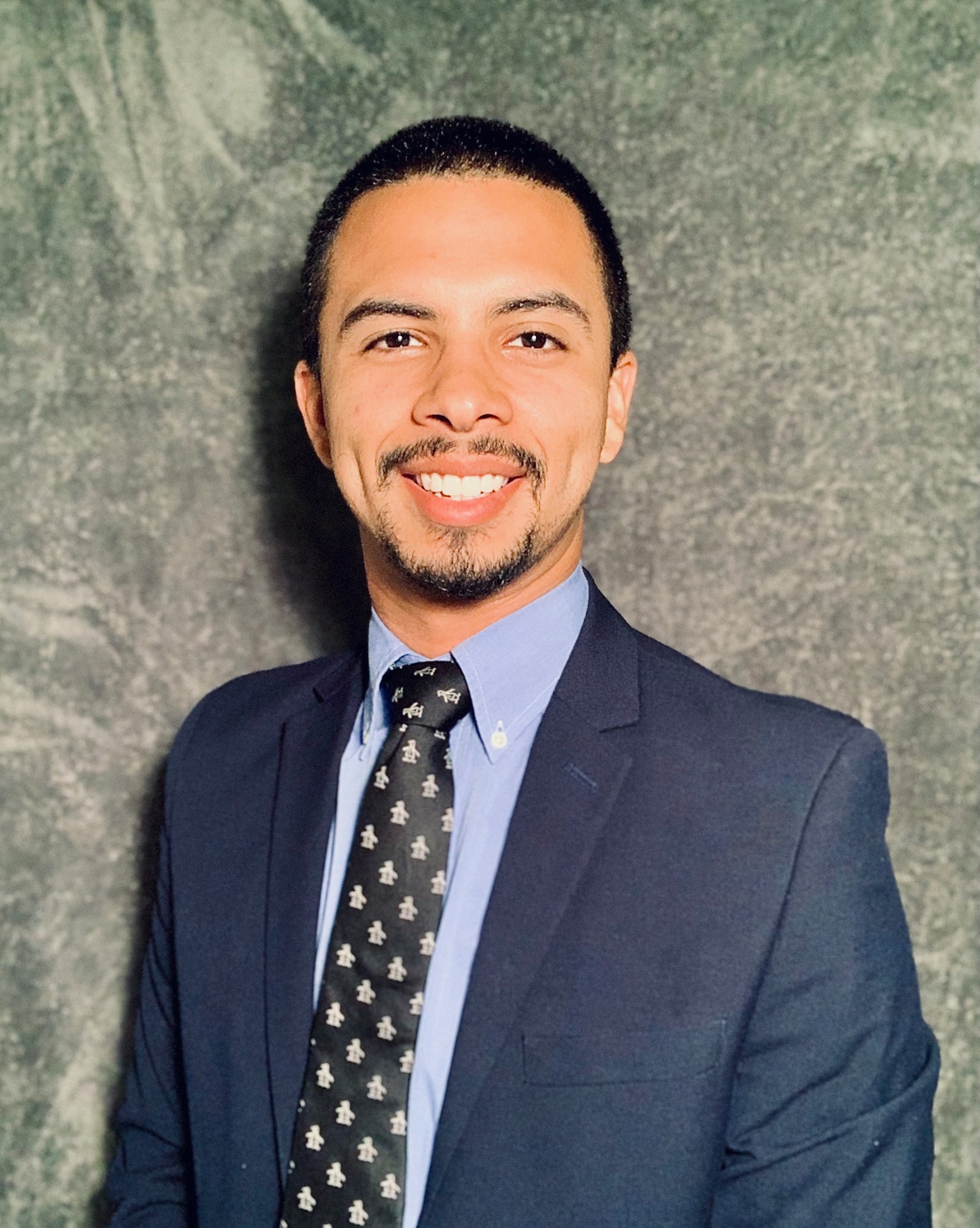
Congratulations for Robbie Posada for being recognized as the Hinkley Center’s for Solid and Hazardous Waste Management’s featured student. Currently, Robbie is a concrete research assistant in UF’s civil engineering department, where he is currently working on the Autoclaved Autoclaved Aerated Concrete (AAC) – Using Municipal Waste Solid Incineration as an Aerated Agent for the Hinkley Center for Solid and Hazardous Waste Management at the University of Florida. The primary objective of this project is to determine the feasibility of beneficially reusing municipal solid waste incineration bottom ash as an aerating/ expansion agent for AAC. Robbie is currently pursuing an undergraduate degree in civil engineering at the and was born and raised in Miami, FL, with origins from Barranquilla, Colombia. Currently, Robbie is a is a concrete research assistant in the department of civil and coastal engineering. Read more at https://www.hinkleycenter.org/
ACI Promotes Global Consensus on Low Carbon
ACI President Antonio Nanni recently shared a memorandum highlighting ACI’s progress on developing Low-Carbon Concrete. President Nanni & Dean Frank, the Executive Director of ACI’s Center of Excellence for Carbon Neutral Concrete (NEU), recently presented on Low-Carbon Concrete at the United Nations Framework Convention on Climate Change Conference of Parties (COP).
President Nanni credited ACI Committee 323: Low-Carbon Concrete Code, of which Dr. Ferraro is the Vice Chair, with developing the first code on low-carbon concrete, ACI CODE-323-24, Low-Carbon Concrete—Code and Commentary. This code is set to be published later this year.
Building Blocks: Dr. Ferraro is featured in UF’s Explore Magazine

Featured in UF’s Explore Magazine, Dr. Christopher Ferraro shares insights into the fundamental role of concrete in shaping modern infrastructure. In this segment, he explains why concrete is the most widely used building material in the world and discusses the science behind its strength and durability, including the importance of the water-to-cement ratio and the use of admixtures.
Madeleine Murphree is featured on the ACI Engineering Greatness Podcast

Timothy Mueller & Madeleine Murphree are named recipients of 2023 ACI Scholarships

Dr. Ferraro Presents at the University of Florida Eye Opener Meeting, April 2023


Is it green? There has been a bit of debate as to whether concrete as a building material is environmentally friendly. Concrete is a superior building material and its unbeatable longevity, durability, and resilience makes it an attractive option for permanent structures. However, the energy needed to produce, and the chemicals that are components of cement, a main component of concrete, are under fire for leaving a considerable carbon footprint.
During the University of Florida’s April Eye Opener Discussion, Christopher Ferraro, Ph.D., PE, an assistant professor in the Engineering School of Sustainable Infrastructure & Environment, discussed his vision to increase the sustainability of Portland cement concrete, mining landfills for resources, and finding more energy efficient ways to process cement to create a more environmentally friendly concrete.
Dr. Ferraro receives the Herbert Wertheim College of Engineering’s 2022-2023 Pramod P. Khargonekar Junior Faculty Award.

Dr. Ferraro receives the 2022 American Concrete Institute’s (ACI) Delmar L. Bloem Distinguished Service Award.
